The Role of Sleep in Weight Management

Why Sleep Matters More Than You Think for Weight Management Sleep plays a far more important role in weight management than most people realize. Sufficient sleep is essential for maintaining healthy physical, mental, and emotional functioning. Poor sleep quality, irregular sleep timing, and short sleep duration can all negatively affect how the body controls hunger,

The Role of Sleep in Weight Management Read More »

balanced plate method

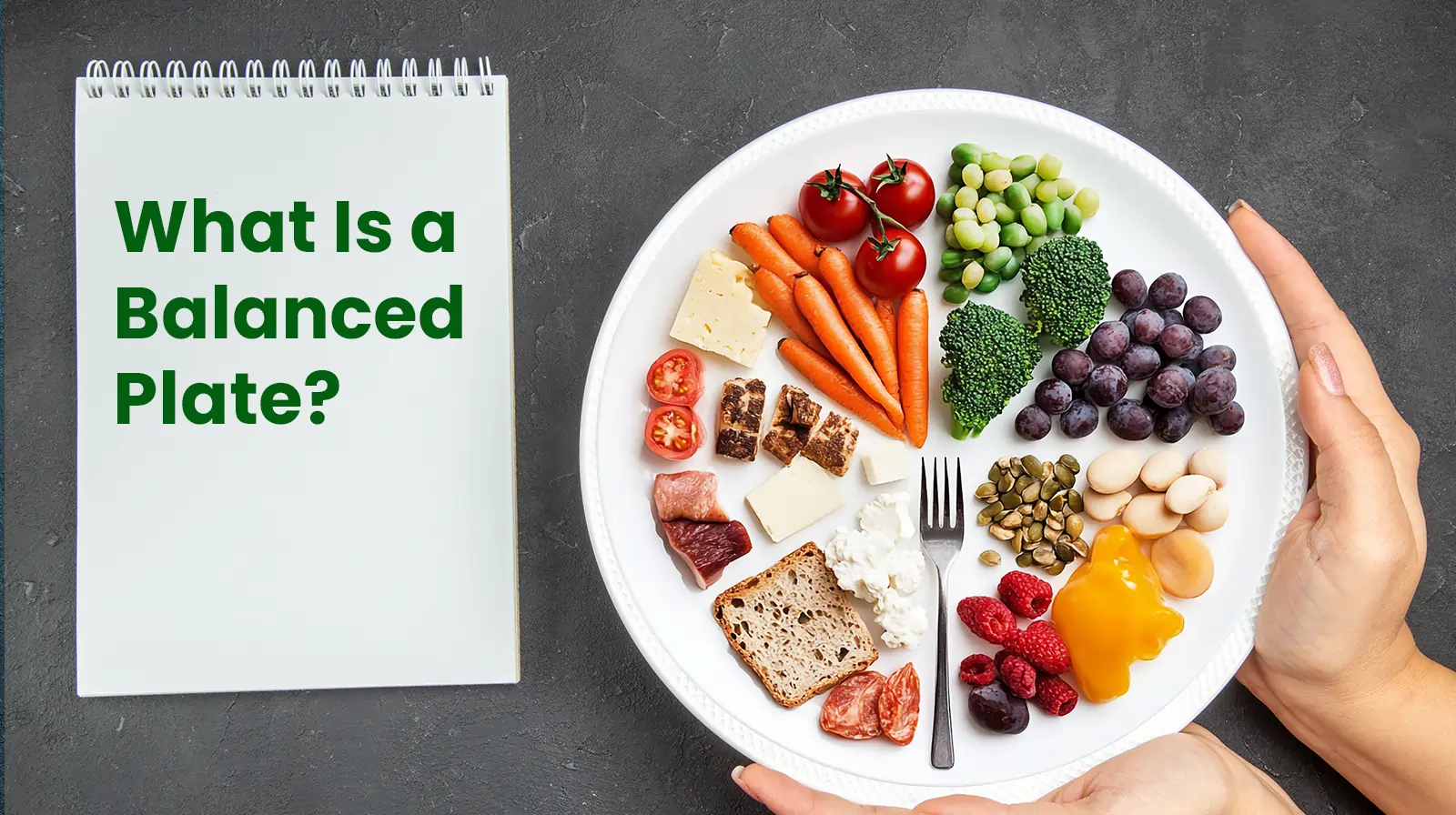
What Is a Balanced Plate?

Abstract In today’s fast-paced lifestyle, many people focus on calories, fad diets, or food restrictions often forgetting the most fundamental concept of nutrition: are they eating the right proportions? Do people know what to eat, when to eat, and how to eat for optimal health? As a dietitian, one of the simplest and most effective

What Is a Balanced Plate? Read More »

gluten-free foods list

Gluten-Free Diet: Facts and Tips

Introduction: What Is Gluten and Why Does It Matter? Gluten is a type of protein found naturally in wheat, rye, and barley. It acts as a binding agent, giving bread and baked goods their characteristic chewy texture. For most people, gluten is harmless and easily digested. However, some people have difficulty metabolizing gluten including those

Gluten-Free Diet: Facts and Tips Read More »

Overweight and Obesity

Overweight and Obesity

Introduction: The Global Crisis of Overweight and Obesity One of the most common problems related to lifestyle today is having excess body weight. Overweight and obesity have become one of the most serious global public health challenges of the 21st century, affecting both developed and developing nations. Severe overweight or obesity is a key risk

Overweight and Obesity Read More »

protein for fat loss

ROLE OF PROTEIN IN FATLOSS

Abstract Protein is one of the three essential macronutrients alongside carbohydrates and fats that the human body requires for energy, growth, and repair. Protein consists of 20 amino acids and plays a critical role in muscle growth and maintenance. Obesity is a major global health issue, and along with regular exercise and a balanced diet,

ROLE OF PROTEIN IN FATLOSS Read More »

THE GUT BRAIN AXIS

The gut-brain axis is a complex communication network linking the digestive system and brain, influencing mood and sleep through neurotransmitters like serotonin and GABA produced by gut bacteria. An imbalanced gut microbiome, or dysbiosis, can trigger inflammation, reduce neurotransmitter production, and contribute to anxiety, depression, and poor sleep quality.Simple lifestyle changes focusing on gut-friendly nutrition

THE GUT BRAIN AXIS Read More »

Scroll to Top