
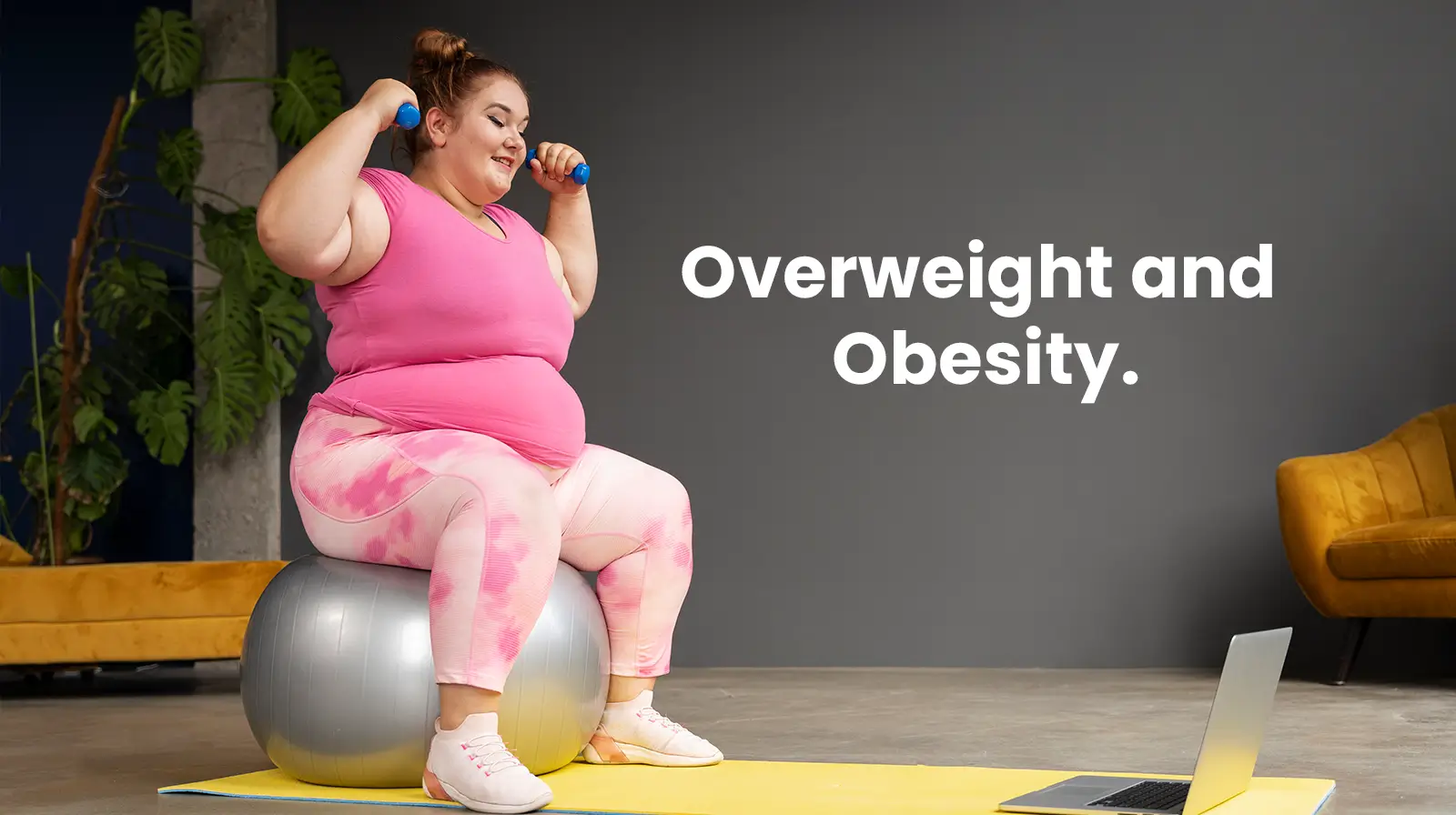
Introduction: The Global Crisis of Overweight and Obesity
One of the most common problems related to lifestyle today is having excess body weight. Overweight and obesity have become one of the most serious global public health challenges of the 21st century, affecting both developed and developing nations.
Severe overweight or obesity is a key risk factor in the development of many chronic diseases such as heart and respiratory diseases, non-insulin-dependent diabetes mellitus (Type 2 diabetes), hypertension, and some cancers, as well as premature death. Understanding the causes, risks, and prevention of obesity is essential for individuals and communities seeking to maintain long-term health.
What Are Overweight and Obesity? Definitions
| Term | Definition |
| Obesity | A condition of abnormal or excessive fat accumulation in the adipose tissue (fat tissues) of the body, leading to significant health hazards. It is classified when BMI is 30 or above. |
| Overweight | A condition where a person has more body weight than is considered healthy for their height. It is classified when BMI falls between 25 and 29.9. |
| Key Difference | Both are conditions of excess body weight, but obesity represents a more severe and clinically significant degree of excess fat associated with higher health risks. |
Body Mass Index (BMI): How to Measure and Classify Weight
Body Mass Index (BMI) is a simple, widely used measurement to assess whether a person has a healthy body weight for their height. It helps to classify individuals as underweight, normal weight, overweight, or obese.
BMI Formula
BMI = Weight (kg) ÷ Height (m²)
BMI Classification Table (WHO Standard)
| BMI Range | Classification | Health Risk Level |
| < 18.5 | Underweight | Moderate risk of nutritional deficiency |
| 18.5 – 24.9 | Healthy Weight | Lowest health risk |
| 25.0 – 29.9 | Overweight | Increased risk of chronic diseases |
| ≥ 30.0 | Obesity | High to very high risk of chronic diseases |
Fat Distribution: Apple Shape vs Pear Shape Body Types
Beyond BMI, the distribution of body fat is a critical indicator of health risk. A key way to measure fat distribution is by measuring waist circumference.
| Measurement | Health Risk Threshold |
| Waist Circumference — Men | Greater than 94–102 cm indicates excess abdominal fat and increased health risk |
| Waist Circumference — Women | Greater than 80–88 cm indicates excess abdominal fat and increased health risk |
| Why It Matters | Excess abdominal fat increases the risk of chronic disease even when overall BMI appears normal |
Apple Shape vs Pear Shape: What Is the Difference?
| Apple Shape (Android) | Pear Shape (Gynoid) |
| Fat stored around the stomach, chest, and abdomen (intra-abdominal fat) | Fat stored around the hips, thighs, and bottom (subcutaneous fat) |
| Higher risk of cardiovascular disease, Type 2 diabetes, hypertension, and metabolic syndrome | Higher risk of mechanical problems such as joint pain, varicose veins, and mobility issues |
| More common in men living with obesity | More common in women living with obesity |
Health Consequences of Overweight and Obesity
The health risks of obesity extend far beyond appearance. Obesity is associated with a wide range of serious, life-threatening chronic conditions:
| Health Consequence | How Obesity Causes It |
| Type 2 Diabetes | Excess body fat causes insulin resistance, leading to high blood sugar and Type 2 diabetes — one of the most common obesity-related diseases. |
| Cardiovascular Disease & Hypertension | Obesity increases cholesterol, triglycerides, and blood pressure, significantly raising the risk of heart attack and stroke. |
| Respiratory Diseases | Excess weight, particularly around the neck and chest, can obstruct airways — causing sleep apnoea syndrome and reduced lung capacity. |
| Certain Cancers | Obesity is linked to increased risk of cancers including breast, colon, endometrial, kidney, and oesophageal cancers due to chronic inflammation and hormonal changes. |
| Osteoarthritis | Excess body weight places enormous mechanical stress on joints — particularly the knees, hips, and lower back — accelerating joint degeneration. |
| Psychological Problems | Obesity is strongly associated with depression, anxiety, low self-esteem, and social stigma — significantly impacting mental health and quality of life. |
| Reduced Quality of Life | Overall physical functioning, mobility, energy levels, and life satisfaction are significantly reduced in people living with obesity. |
Prevention and Management of Obesity: Evidence-Based Strategies
Overweight and obesity are largely preventable. A combination of dietary changes, physical activity, behavioural strategies, and regular health monitoring is the most effective approach:
Dietary Recommendations
• Eat a balanced diet rich in fruits, vegetables, whole grains, and lean proteins
• Avoid fast food, processed foods, and sugary snacks and beverages
• Control portion sizes and avoid eating beyond hunger
• Increase dietary fibre from legumes, vegetables, and whole grains to promote satiety
• Reduce consumption of saturated fats, trans fats, and refined carbohydrates
• Follow a calorie-controlled diet tailored to individual energy needs
Physical Activity Recommendations
• Engage in at least 150 minutes of moderate-intensity aerobic activity per week (WHO guideline)
• Include activities such as walking, jogging, swimming, cycling, or yoga
• Add resistance training 2–3 times per week to preserve muscle mass during weight loss
• Reduce sedentary behaviour — avoid prolonged sitting and screen time
Lifestyle and Behavioural Strategies
• Maintain proper sleep of 7–9 hours per night — poor sleep increases hunger hormones
• Manage stress effectively — chronic stress promotes fat storage through cortisol
• Drink adequate water throughout the day — often thirst is mistaken for hunger
• Attend regular health check-ups to monitor weight, blood pressure, and blood sugar
• Seek support from a Registered Dietitian or healthcare professional for personalised guidance
Frequently Asked Questions (FAQ)
Overweight is defined as a BMI between 25 and 29.9, while obesity is defined as a BMI of 30 or above. Both indicate excess body weight relative to height, but obesity represents a more severe condition with significantly higher health risks including Type 2 diabetes, cardiovascular disease, and certain cancers.
Q2: How is BMI calculated?
Q1: What is the difference between overweight and obesity?
BMI is calculated by dividing body weight in kilograms by height in metres squared: BMI = Weight (kg) ÷ Height (m²). For example, a person weighing 70 kg and standing 1.70 m tall has a BMI of 24.2, which falls within the healthy weight range.
Q3: What is the apple vs pear body shape and which is more dangerous?
Apple-shaped people store fat around the abdomen and chest (intra-abdominal fat), while pear-shaped people store fat around the hips and thighs. Apple-shaped fat distribution carries a significantly higher risk of cardiovascular disease, Type 2 diabetes, and metabolic syndrome. A waist circumference above 94–102 cm in men or 80–88 cm in women indicates higher risk.
Q4: Can obesity be prevented?
Yes — overweight and obesity are largely preventable conditions. A balanced diet, regular physical activity, adequate sleep, stress management, and regular health check-ups are the most effective prevention strategies. Early action and sustained lifestyle changes are the key to long-term success.
Q5: What diseases are caused by obesity?
Obesity is associated with Type 2 diabetes, cardiovascular diseases, hypertension, sleep apnoea, certain cancers (breast, colon, kidney), osteoarthritis, psychological conditions including depression and anxiety, and a significantly reduced quality of life.
Q6: What is a healthy rate of weight loss?
A safe and sustainable rate of weight loss is 0.5 to 1 kg per week, achieved through a moderate calorie deficit of 500 to 1,000 kcal per day combined with regular physical activity. Rapid weight loss diets are not recommended as they cause muscle loss, nutritional deficiencies, and rebound weight gain.
Also Read: https://blogs.fitreatcouple.com/why-you-shouldnt-skipping-meals-for-weight-loss/
Conclusion
Overweight and obesity are preventable conditions that pose serious risks to long-term health and quality of life. Adopting a healthy lifestyle with proper nutrition, regular exercise, adequate sleep, and stress management can help maintain a healthy weight and significantly reduce the risk of chronic diseases including Type 2 diabetes, cardiovascular disease, and certain cancers.
Awareness and early action are key to a healthier future. Understanding your BMI, monitoring your waist circumference, and making sustainable lifestyle changes guided by a Registered Dietitian or healthcare professional are the most powerful tools available for preventing and managing obesity.

