
Abstract
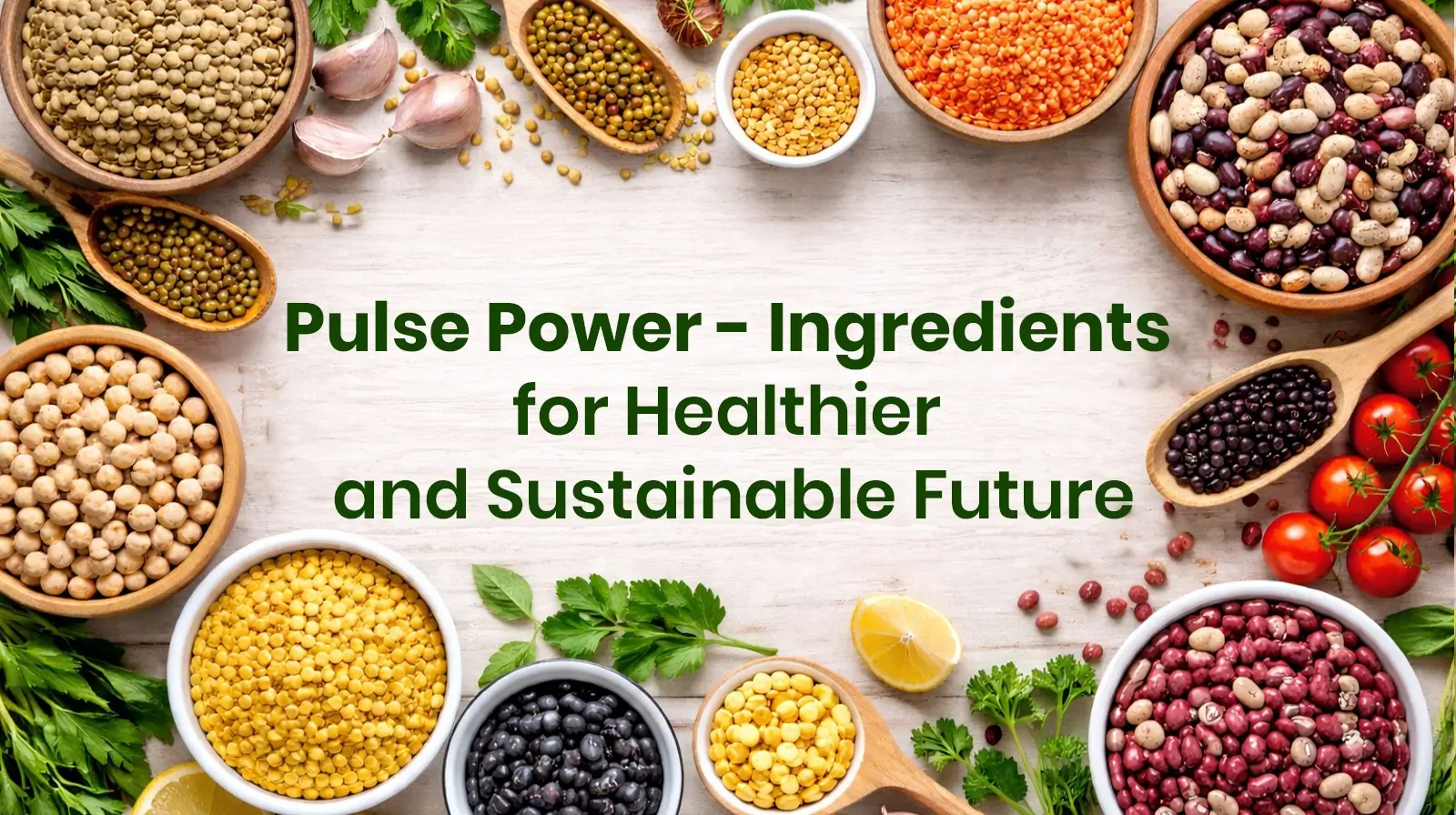
Pulses refer to the dried seeds of legume plants and are a native food of India, known for making balanced and healthy meals. Pulses are gluten-free and a great source of nutrients in a vegetarian diet, and help generate a good amount of energy in the body. Pulses include peas, lentils, chickpeas, faba beans, dry beans, mung beans, black-eyed beans, and kidney beans. They are rich in protein, essential amino acids, fibre, carbohydrates, antioxidants like polyphenols, folate, and iron, as well as minerals such as calcium, zinc, magnesium, and potassium.
Pulses are an environmentally friendly crop; they enrich the soil and can help lower greenhouse gas emissions and agricultural water use. Eating pulses is associated with weight maintenance, gut health, and a reduced risk of cardiovascular disease, diabetes, and some cancers. Pulses are an easy, tasty, and affordable addition to salads, dips, soups, pasta, and more.
Introduction: What Are Pulses?
Pulses are the dried seeds of legume plants. Hundreds of different varieties of pulses are grown around the globe. Pulses, also known as grain legumes, are a group of 12 crops that includes dry beans, dry peas, chickpeas, and lentils. They are high in protein, fibre, and various vitamins, provide amino acids, and are hearty crops.
They are most popular in developing countries, but are increasingly being recognised as an excellent part of a healthy diet throughout the world. As awareness of the nutritional value of pulses grows, they are now becoming central to global conversations about sustainable, plant-based protein sources.
Nutritional Value of Pulses: What Do They Contain?
Pulses are rich in nutritional content and low in fats and cholesterol, making them a storehouse of essential macronutrients and micronutrients. Pulses are a low-fat source of protein with high levels of protein and fibre. They also contain important vitamins and minerals.
| Nutrient Category | Details |
| Macronutrients | High protein, complex carbohydrates, dietary fibre — low in fat and cholesterol |
| Vitamins | Folate (B9), Vitamin B1 (Thiamine), Vitamin B6 |
| Minerals | Iron, Potassium, Calcium, Zinc, Magnesium |
| Antioxidants | Polyphenols, flavonoids, anti-inflammatory compounds |
| Amino Acids | Essential amino acids — excellent complement to cereals for complete protein |
| Special Features | Naturally gluten-free, dairy-free, nut-free, and egg-free |
Why Should You Eat Pulses Every Day?
Pulses are one of the highest-fibre foods available — just one portion provides about a third of the fibre you need for the entire day. That means they can help lower your risk of heart disease, stroke, type 2 diabetes, and bowel cancer.
They provide protein and fibre, as well as a significant source of vitamins and minerals such as iron, zinc, folate, and magnesium. Research shows that consuming half a cup of beans or peas per day can enhance diet quality by increasing intakes of these nutrients (Amicarelli V et al., 2020).
• High fibre content — supports digestion and reduces disease risk
• Plant-based protein — ideal for vegetarian and vegan diets
• Low glycaemic index — helps manage blood sugar naturally
• Heart-healthy — reduces LDL cholesterol and regulates blood pressure
• Weight management — promotes satiety and reduces overeating
• Affordable and accessible — budget-friendly for all income groups
Health Benefits of Pulses for Heart, Gut, Diabetes & More
The health benefits of pulses are wide-ranging and backed by scientific research. Here is a detailed breakdown:
| Health Benefit | How Pulses Help |
| Heart Health | Low fat and cholesterol content reduces the risk of heart attack. High potassium and low sodium help regulate blood pressure — key factors in cardiovascular health. |
| Blood Sugar Control | Pulses have complex carbohydrates and a low glycaemic index, meaning they do not cause rapid glucose spikes — making them excellent pulses for diabetes management. |
| Weight Management | Pulses control appetite and give a feeling of fullness, supporting healthy weight maintenance without excess calorie intake. |
| Cancer Prevention | Rich in antioxidants and anti-inflammatory agents, pulses help reduce the risk of certain cancers. |
| Gut Health | High fibre content feeds beneficial gut bacteria, supports bowel regularity, and reduces the risk of bowel cancer. |
| Pregnancy Nutrition | Pulses are a great food to eat during pregnancy. Folate in pulses helps prevent neural tube defects in developing babies. |
| Energy & Metabolism | Pulses boost energy production and metabolism — acting as a natural tonic for the body. |
Recommended Daily Intake of Pulses — ICMR Guidelines
According to the Indian Council of Medical Research (ICMR), 40g of pulses is the recommended daily intake for a balanced diet of an average sedentary adult. This is approximately:
• 2–3 tablespoons of dry pulses per day
• Equivalent to approximately half a cup of cooked lentils or beans
• Can be split across meals — dal at lunch, chickpeas at dinner
Dietitian Tip
Soaking pulses for 6–8 hours before cooking reduces anti-nutrients, improves digestibility, and increases the bioavailability of minerals like iron and zinc. Always soak and rinse before cooking for best nutritional results.
What Are Pulse Ingredients? Uses in Food Products
In food products, pulses are ground into flours or converted into functional ingredients such as protein, fibre, and starch. The production steps include cleaning and sorting, dehulling, and milling into pulse flours.
Pulse ingredients offer key benefits including high protein, dietary fibre, and micronutrients like iron, magnesium, and folate. They are also gluten-free, dairy-free, nut-free, and egg-free — meeting the growing consumer demand for allergen-free, plant-based products. Sustainability is another major benefit of pulse-derived ingredients.
5 Key Pulse Ingredients and Their Benefits
| Ingredient | Benefits & Uses |
| 1. Pea Protein | Nutritious, high-quality plant-based protein ingredient used to improve protein quality in food products. Widely used in protein shakes, meat alternatives, and fortified foods. |
| 2. Pea Starch | High-quality, slow-digesting carbohydrate that provides sustained energy. Also used in food manufacturing for texture and stability. |
| 3. Pea Fibre | Provides a fibre boost for food products and adds a crispy, crunchy texture. Beneficial for both human health and pet food nutrition. |
| 4. Lentil Flour | Improves protein and fibre content in numerous products, especially gluten-free options. Widely used in Indian flatbreads, snacks, and bakery items. |
| 5. Faba Bean Protein | Highly nutritious due to excellent protein quality. Used in snacks and meat alternatives — a rising star in the plant-based protein market. |
Pulses as a Sustainable Food Crop
Beyond nutrition, pulses play a critical role in sustainable agriculture and environmental health:
• Nitrogen fixation — pulses naturally enrich the soil, reducing the need for synthetic fertilisers
• Lower water footprint — require significantly less water than animal protein sources
• Reduced greenhouse gas emissions — one of the lowest-carbon protein sources available
• Crop rotation benefits — improve soil health and benefit surrounding crops
• Food security — affordable, storable, and accessible protein for developing nations
Sustainability Fact
According to the FAO, producing 1 kg of lentils generates approximately 0.9 kg of CO2 equivalent — compared to 27 kg CO2 for 1 kg of beef. Choosing pulses over meat even a few times per week can significantly reduce your personal carbon footprint.
Frequently Asked Questions (FAQ)
Q1: What are the main health benefits of pulses?
Pulses support heart health, blood sugar control, weight management, gut health, and cancer prevention. They are rich in protein, fibre, iron, folate, and antioxidants — making them one of the most nutritionally complete plant foods.
Q2: How much pulses should I eat per day?
The ICMR recommends 40g of pulses per day for an average sedentary adult — approximately half a cup of cooked lentils or beans. This can be spread across meals throughout the day.
Q3: Are pulses good for weight loss?
Yes. Pulses are high in fibre and protein, which promote a feeling of fullness and reduce overall calorie intake. They have a low glycaemic index, making them excellent for weight management and blood sugar control.
Q4: Are pulses gluten-free?
Yes. All pulses are naturally gluten-free, dairy-free, nut-free, and egg-free. They are an excellent choice for people with coeliac disease, gluten intolerance, or multiple food allergies.
Q5: Which pulse has the highest protein content?
Lentils and chickpeas are among the highest in protein. Faba beans and soybeans also provide excellent protein quality. Pea protein derived from yellow split peas is widely used as a commercial plant-based protein ingredient.
Q6: Can pulses be eaten during pregnancy?
Absolutely. Pulses are an excellent food during pregnancy due to their high folate content, which helps prevent neural tube defects. They also provide iron, protein, and calcium — all essential for maternal and fetal health.
Also Read: https://blogs.fitreatcouple.com/role-of-protein-in-fatloss-2/
Conclusion
Pulses are a major source of protein in the human diet and one of the most nutritionally complete, affordable, and sustainable foods available. Unfortunately, the rise of fast food culture has led to a decline in pulse consumption — particularly among children and young people — which is negatively affecting population health.
The most important feature of pulses is that their nutritional elements are preserved even after cooking on heat, making them both practical and powerful. Whether as dal, soup, hummus, or a plant-based protein ingredient, pulses deserve a central place on every plate.

