
Abstract
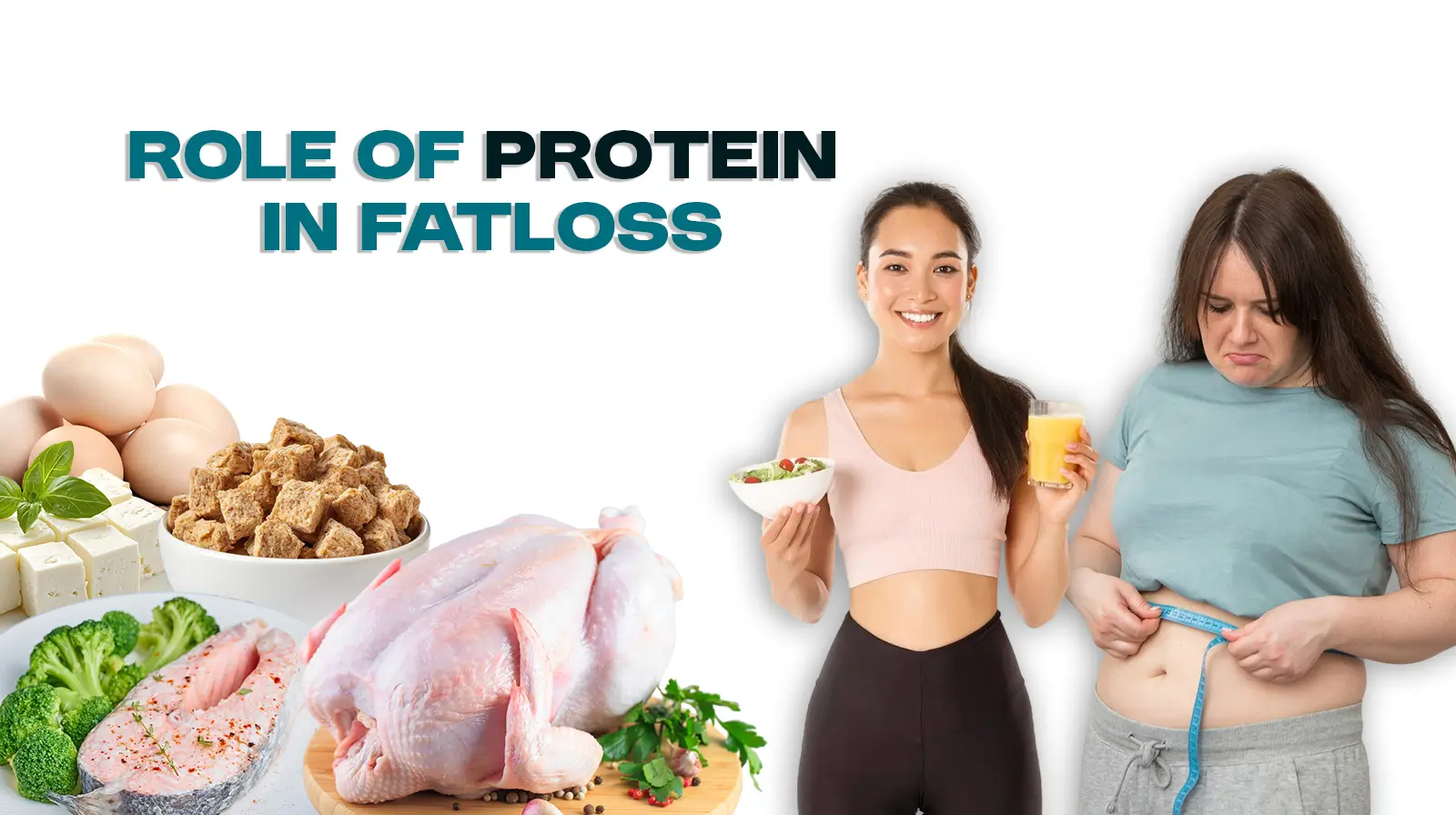
Protein is one of the three essential macronutrients alongside carbohydrates and fats that the human body requires for energy, growth, and repair. Protein consists of 20 amino acids and plays a critical role in muscle growth and maintenance. Obesity is a major global health issue, and along with regular exercise and a balanced diet, adequate protein intake is one of the most evidence-backed strategies for effective fat loss and sustainable weight management.
Introduction: Why Protein Is Essential for Fat Loss
When it comes to losing body fat, most people focus on cutting calories and exercising more. However, research consistently shows that the composition of your diet, particularly your protein intake plays a major role in determining how effectively you lose fat while preserving lean muscle mass.
A high protein diet for fat loss works through multiple physiological mechanisms: it reduces hunger hormones, increases the thermic effect of food, preserves muscle during a calorie deficit, and enhances fat oxidation. Understanding the role of protein in fat loss is essential for anyone on a weight loss journey.
Key Definition
Macronutrients are the three main nutrients required in large amounts: proteins, carbohydrates, and fats. Among the three, protein has the highest thermic effect and the greatest impact on satiety making it the most important macronutrient for fat loss.
How Protein Helps in Weight Loss: 5 Key Mechanisms
Here is a science-backed explanation of how protein helps in weight loss through five key mechanisms:
1. Protein Increases Satiety and Reduces Hunger
Protein is the most satiating macronutrient. It directly affects key hunger hormones in the body:
• Ghrelin (the hunger hormone) — protein consumption decreases ghrelin levels, reducing feelings of hunger
• Peptide YY — signals the brain that you are full and reduces appetite
• GLP-1 (Glucagon-Like Peptide-1) — a gut hormone that reduces appetite and slows gastric emptying
• Cholecystokinin (CCK) — sends fullness signals to the brain after protein consumption
Together, these hormonal effects make a high protein diet for fat loss significantly more effective at reducing overall calorie intake without the feeling of deprivation.
2. Protein Prevents Muscle Loss During Weight Loss
Muscle loss is a major concern during calorie-restricted fat loss programmes. When the body is in a calorie deficit, it can break down muscle tissue for energy, a process called catabolism.
• Protein provides the essential amino acids required to repair and rebuild muscle tissue
• Adequate protein intake during fat loss helps maintain lean muscle mass
• Preserving muscle mass keeps the metabolism elevated during weight loss
• Sufficient protein supports the strength needed to continue exercising effectively
Clinical Note
Research from the International Society of Sports Nutrition (ISSN) recommends 1.6 to 2.2g of protein per kg of body weight per day during a calorie deficit to effectively preserve muscle mass while losing fat.
3. Protein Keeps Blood Sugar Balanced
One of the often-overlooked roles of protein in weight management is its ability to stabilise blood sugar levels:
• Without adequate protein, carbohydrates break down rapidly and cause an insulin spike
• When protein is consumed alongside or without carbohydrates, it slows digestion and prevents rapid blood sugar spikes
• Stable blood sugar reduces cravings, energy crashes, and fat storage triggered by insulin surges
• This protein and blood sugar control mechanism makes protein essential for managing appetite throughout the day
4. Protein Burns More Calories Through the Thermic Effect of Food (TEF)
The thermic effect of food (TEF) refers to the energy your body uses to digest, absorb, and process nutrients. Protein has by far the highest thermic effect among all macronutrients:
| Macronutrient | Thermic Effect (TEF) |
| Protein | 25–30% of calories burned in digestion |
| Carbohydrates | 6–8% of calories burned in digestion |
| Fats | 2–3% of calories burned in digestion |
This means that by eating more protein, you naturally burn more calories through the digestive process alone — giving you a significant metabolic advantage during fat loss.
5. Protein Improves Fat Oxidation
High protein intake directly enhances fat oxidation the process by which the body burns fat for fuel:
• Protein helps lower insulin levels, which promotes fat burning rather than fat storage
• By preserving muscle mass, protein keeps the body’s metabolic rate higher during a calorie deficit
• With more muscle preserved, the body uses more fat for fuel during both exercise and rest
• This mechanism is why high protein diets produce superior fat loss results compared to low-protein calorie-restricted diets
Summary: How Protein Supports Fat Loss
| Mechanism | How It Works for Fat Loss |
| Increases satiety | Reduces ghrelin; increases Peptide YY, GLP-1, and CCK — decreasing overall calorie intake |
| Prevents muscle loss | Supplies amino acids for muscle repair and maintenance during a calorie deficit |
| Stabilises blood sugar | Slows carbohydrate digestion and prevents insulin spikes and fat-storing surges |
| Burns more calories | Highest thermic effect of food (25–30%) among all macronutrients |
| Enhances fat oxidation | Lowers insulin and preserves muscle, making the body burn more fat for energy |
Best Protein Sources for Weight Loss: Animal vs Plant
Choosing the right protein sources is essential for an effective fat loss diet. Here is a comparison of the best protein sources for weight loss:
| Protein Source | Protein Content | Fat Loss Benefit |
| Lean meats (chicken, turkey) | 26–31g per 100g | High bioavailability, low fat — ideal for fat loss |
| Fish and shellfish | 20–25g per 100g | Rich in omega-3; supports fat metabolism and heart health |
| Eggs | 13g per 100g | Complete protein with all essential amino acids |
| Milk and dairy products | 3–10g per 100g | Casein and whey protein; excellent for muscle recovery |
| Legumes (dal, lentils) | 7–9g per 100g cooked | High fibre + protein; plant-based fat loss support |
| Soy and soy products | 10–17g per 100g | Complete plant protein; excellent meat alternative |
| Nuts and seeds | 5–25g per 100g | Healthy fats + protein; good for satiety |
| Whole grains | 3–13g per 100g | Partial protein; best combined with legumes |
How Much Protein Do You Need for Fat Loss?
Protein requirements vary based on body weight, activity level, and fat loss goals. Here are the evidence-based recommendations:
| Goal / Activity Level | Recommended Protein Intake |
| Sedentary adults (general health) | 0.8g per kg of body weight per day |
| Active adults (moderate exercise) | 1.2 to 1.6g per kg of body weight per day |
| Fat loss with muscle preservation | 1.6 to 2.2g per kg of body weight per day |
| Intense training / athletes | 2.0 to 2.4g per kg of body weight per day |
| Practical example (70kg person, fat loss) | 112g to 154g of protein per day |
Practical Tips: How to Increase Protein Intake for Fat Loss
• Start your day with a high protein breakfast — eggs, Greek yoghurt, or a protein smoothie
• Include a protein source at every meal — do not let any meal be protein-free
• Choose lean animal proteins — chicken breast, fish, egg whites, low-fat dairy
• Add legumes and soy products to meals for plant-based protein
• Distribute protein evenly across all meals rather than consuming it all at once
• Stay well-hydrated — increased protein intake requires adequate water for kidney function
• Combine protein intake with resistance training for maximum muscle preservation and fat loss
Important Reminder
Protein alone does not cause fat loss. It works best as part of a calorie-controlled, balanced diet combined with regular physical activity. Always consult a Registered Dietitian or healthcare professional before making significant changes to your diet, especially if you have kidney disease or other health conditions
Frequently Asked Questions (FAQ)
Q1: Does protein directly burn fat?
Protein does not directly burn fat, but it supports fat loss through multiple mechanisms reducing hunger, increasing the thermic effect of food, preserving muscle mass, and enhancing fat oxidation. Together, these effects make a high protein diet significantly more effective for fat loss.
Q2: How much protein should I eat per day for fat loss?
For effective fat loss with muscle preservation, research recommends 1.6 to 2.2g of protein per kg of body weight per day. For a 70kg person, this is approximately 112–154g of protein daily, spread across all meals.
Q3: Is animal protein better than plant protein for fat loss?
Animal protein has higher bioavailability and contains all essential amino acids. However, plant proteins especially legumes, soy, and whole grains offer additional fibre and micronutrients. A combination of both is the most effective and sustainable approach for fat loss.
Q4: Can eating more protein cause weight gain?
Excess protein that exceeds your total calorie needs can contribute to weight gain, as the body converts surplus calories to fat regardless of the source. However, when protein replaces excess carbohydrates and fats within a calorie deficit, it strongly supports fat loss.
Q5: What is the best high protein food for fat loss?
Lean meats (chicken breast, turkey), fish (especially fatty fish like salmon), eggs, low-fat dairy, lentils, chickpeas, and soy products are among the best protein sources for fat loss. Choose whole food protein sources over processed protein supplements whenever possible.
Also Read: https://blogs.fitreatcouple.com/https-fitreatcouple-com-all-programs-post-partum/
Conclusion
Protein plays a major and scientifically proven role during the weight loss and fat loss process. It helps by reducing hunger through hormonal mechanisms, increasing satiety, and decreasing overall calorie intake. Protein helps maintain muscle strength during a calorie deficit, increases calorie burning through the thermic effect of food, and enhances fat oxidation by lowering insulin and preserving lean mass.
Protein intake is higher in bioavailability from animal sources than plant sources, but both have important roles in a balanced fat loss diet. For the best results, combine adequate protein intake with resistance training, a calorie-controlled diet, and consistent lifestyle habits.

