The Silent Killer In Your Kitchen: 21 Smart Ways To Cut Sugar And Embrace A healthier life
Introduction: The Silent Threat of Sugar
Sugar is everywhere. It hides in your drinks, snacks, sauces, and even your “healthy” foods. While a little sugar now and then isn’t a big deal, the average person consumes way more than what’s recommended. This overload can lead to serious health issues—even if you’re not feeling the effects yet. That’s why reducing your sugar intake is one of the smartest moves you can make for your long-term health.
Why Reducing Sugar Intake Matters
The Hidden Dangers of Excess Sugar
Sugar doesn’t just add empty calories—it messes with your metabolism, spikes your blood sugar, and increases your risk for diseases like:
Type 2 diabetes
Heart disease
Obesity
Fatty liver disease
Tooth decay
Chronic inflammation
And it’s not just about weight. Even slim individuals can suffer from sugar-related illnesses due to internal imbalances.
Long-Term Health Risks
Consistently consuming too much sugar increases oxidative stress in the body, promotes aging, and raises LDL (“bad”) cholesterol. Over time, it taxes your liver and pancreas, leading to insulin resistance—a key trigger for diabetes and metabolic syndrome.
Understanding Different Types of Sugar
Natural vs. Added Sugars
Not all sugars are created equal:
Sugar goes by many names—watch out for:
High fructose corn syrup
Dextrose
Maltose
Cane sugar
Agave nectar
Molasses
Look for “Added Sugars” under the Nutrition Facts label. Aim for products with 0g added sugars when possible.
How Much Sugar Is Too Much?
Daily Sugar Intake Recommendations
According to the American Heart Association:
Men: Max 36g (9 teaspoons) per day
Women: Max 25g (6 teaspoons) per day
Children: Varies by age, but less than adults
The average American consumes over 77g* daily more than double the recommendation.
Spotting Sugar in Your Diet
Track your meals for a week. You'll likely find sugar in:
Breakfast cereals
Salad dressings
Granola bars
Pasta sauces
Yogurt
Bread
21 Proven Ways to Cut Back on Sugar
1. Start with Beverages
Switch soda, sweet tea, and energy drinks for water, herbal teas, or sparkling water with lemon.
2. Read Food Labels Closely
Aim for products with under 5g of sugar per serving. Check for added sugars.
3. Choose Whole Fruits Over Juice
Whole fruits contain fiber, which slows sugar absorption.
4. Opt for Unsweetened Alternatives
Go for unsweetened plant-based milks, nut butters, and yogurts.
5. Cook More at Home
Home-cooked meals give you control over ingredients and eliminate hidden sugars.
6. Avoid Processed Snacks
Stick with raw nuts, veggies, and whole foods instead of bars and chips.
7. Reduce Sauces and Condiments
Use mustard, vinegar, or spices instead of ketchup and BBQ sauce.
8. Plan Balanced Meals
Protein and healthy fats keep you fuller longer, reducing sugar cravings.
9. Avoid Sugary Breakfast Options
Skip flavored yogurts and pastries. Try oatmeal with cinnamon and fruit.
10. Watch for "Healthy" Sugar Bombs
Smoothies, granola, and trail mix often hide massive sugar loads.
11. Stay Hydrated
Dehydration can trigger false hunger—especially for sweets.
12. Manage Cravings Mindfully
Take a walk, chew gum, or brush your teeth when cravings strike.
13. Replace Sugar with Spices
Try cinnamon, nutmeg, or vanilla to sweeten naturally.
14. Limit Alcohol
Many cocktails and mixers are sugar-laden. Stick to dry wine or spirits with soda water.
15. Get Quality Sleep
Sleep-deprived bodies crave quick energy—usually in the form of sugar.
16. Practice Stress Reduction
Meditation, exercise, and hobbies help curb emotional sugar binges.
17. Gradually Reduce Sugar Intake
Cut back slowly to give your taste buds time to adapt.
18. Keep a Food Diary
Track your sugar intake to identify patterns and problem areas.
19. Understand Sugar’s Role in Mood
Too much sugar can lead to mood swings and energy crashes.
20. Educate Your Household
Encourage your family or roommates to join your low-sugar journey.
21. Seek Professional Help if Needed
A dietitian or health coach can personalize a plan that works for you.
FAQ's About Sugar Reduction
1. What happens when you stop eating sugar?
You may experience withdrawal symptoms initially—like headaches and cravings—but energy levels and mood typically improve within a few days.
2. Will cutting sugar help you lose weight, and how can Fitreat Couple support you?
Cutting sugar can lead to weight loss, and Fitreat’s personalized meal plans can help you make sustainable lifestyle changes.
3. Can Fitreat’s personalized meal plans help you manage blood sugar levels?
Yes, Fitreat Couple’s personalized meal plans can help regulate blood sugar levels by providing balanced and nutritious meal options.
4. What are the benefits of natural sweeteners, and how can Fitreat Couple incorporate them into your diet?
Natural sweeteners like stevia and honey offer a lower calorie alternative, and Fitreat can help you incorporate them into your diet through personalized meal planning.
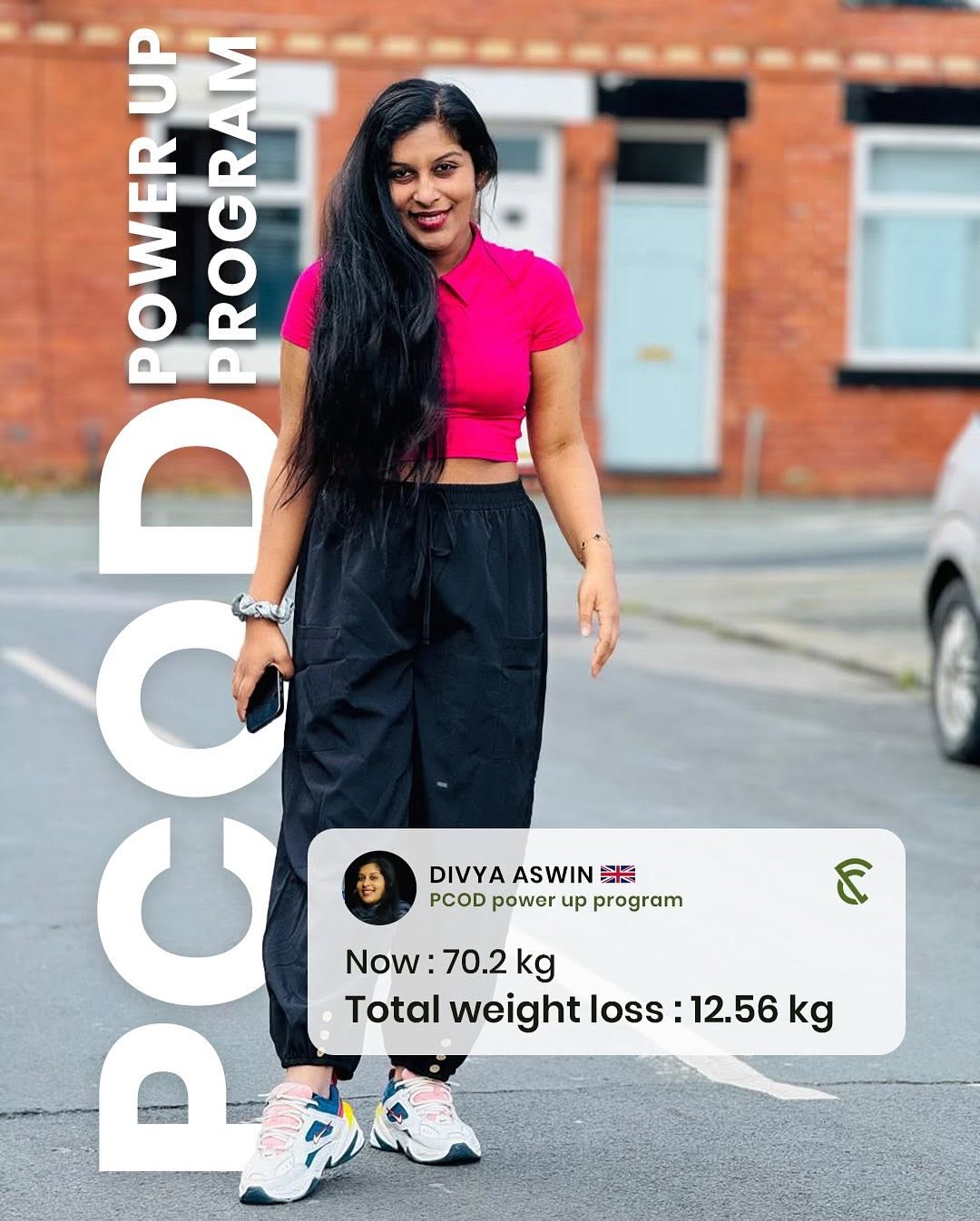
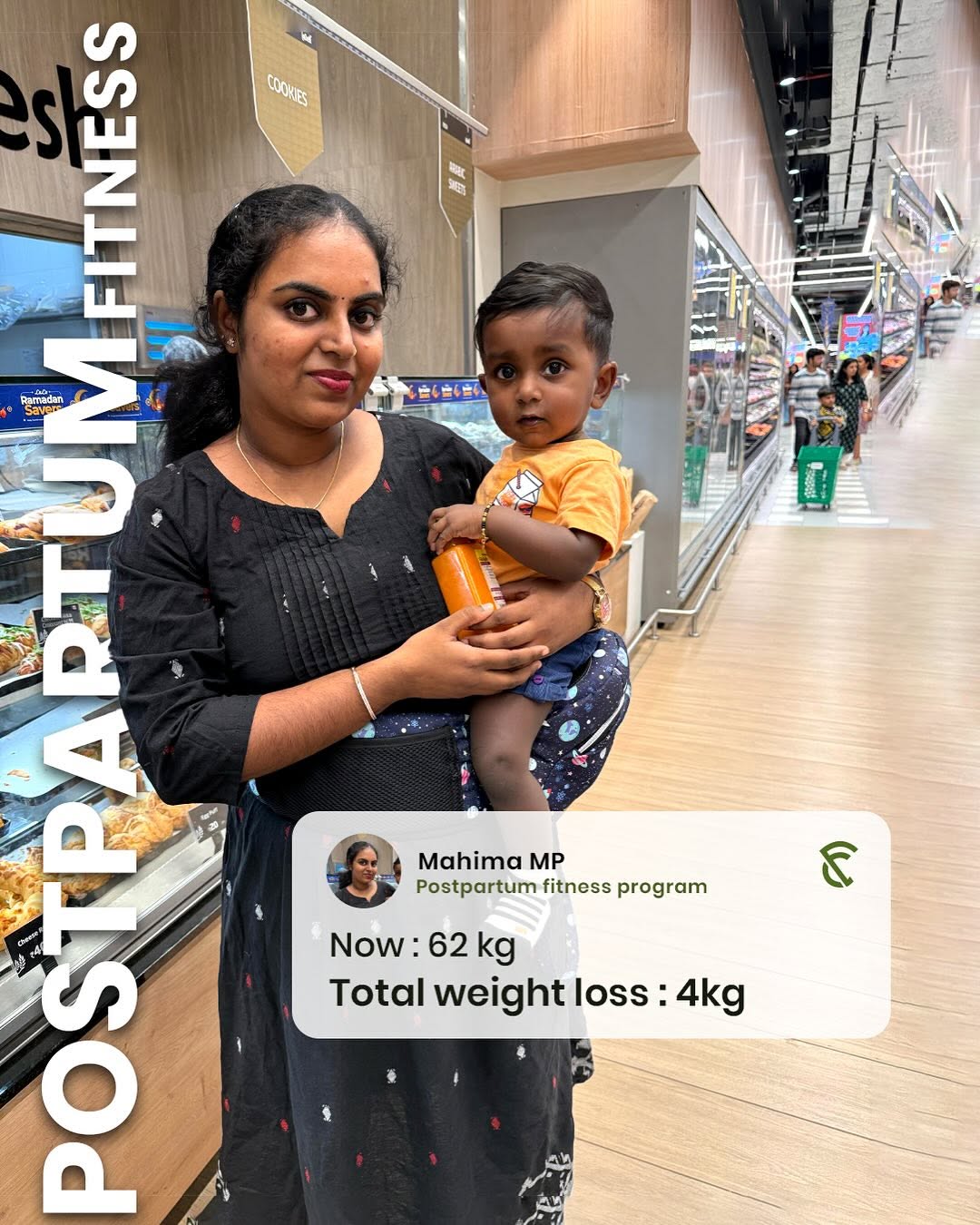
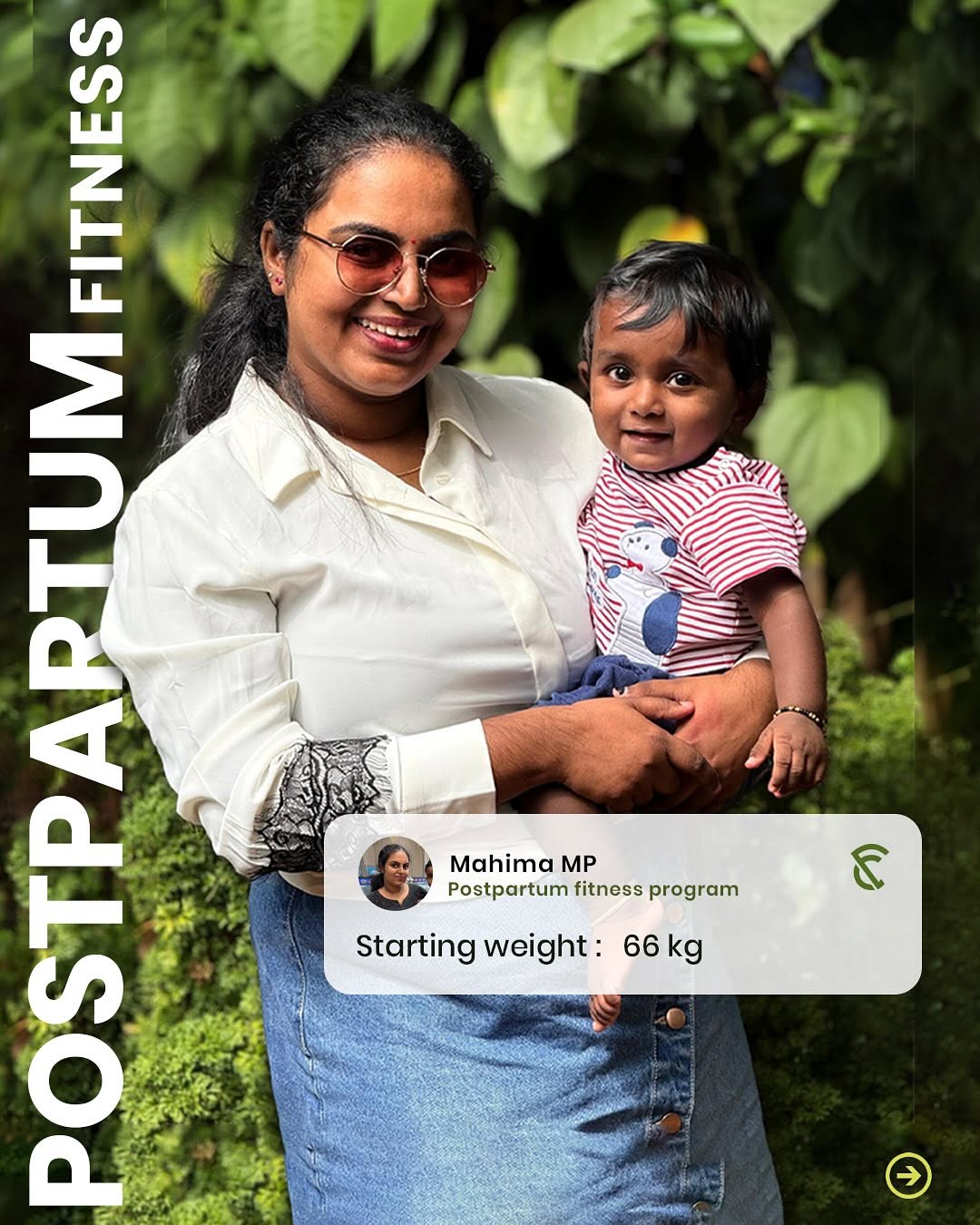
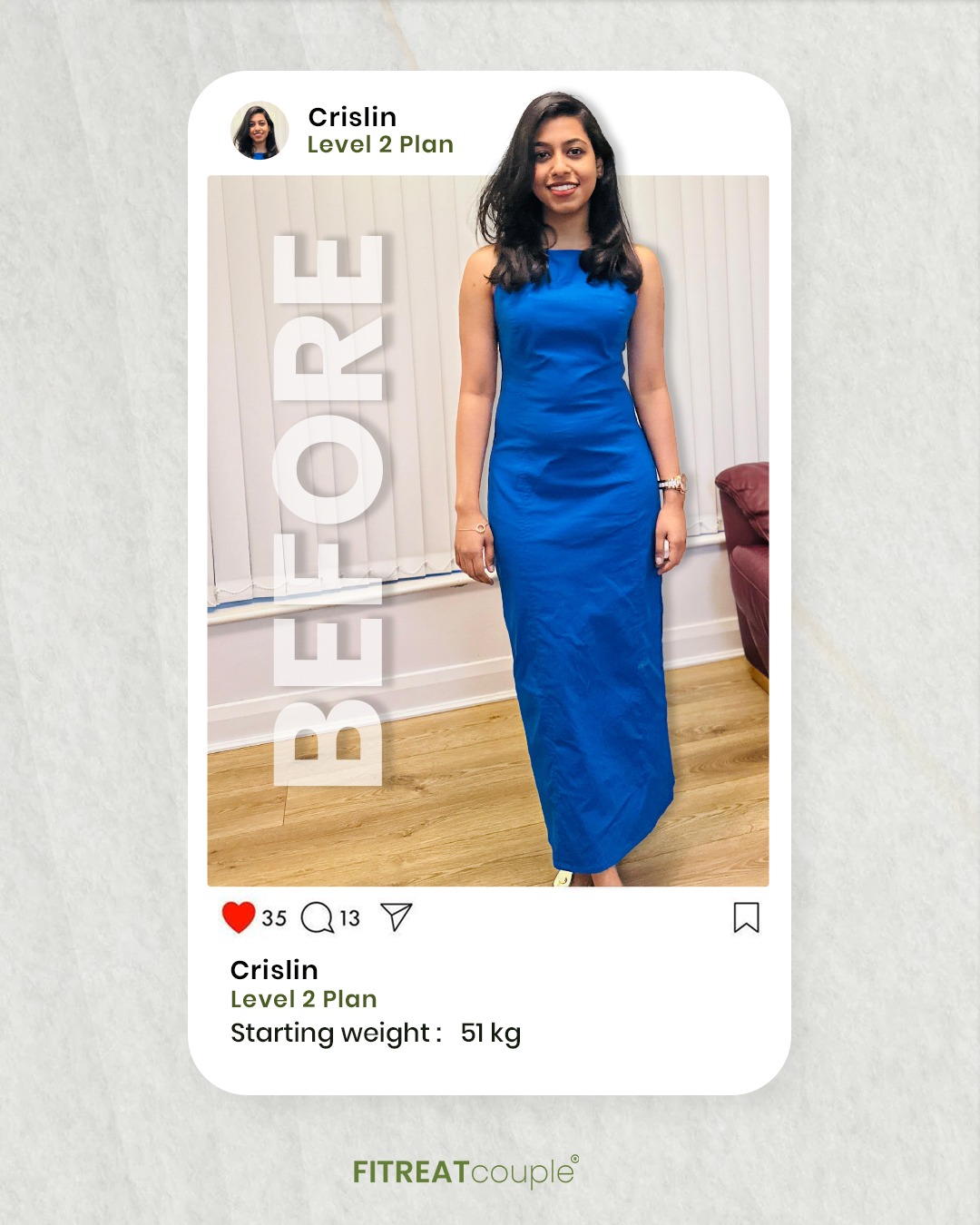
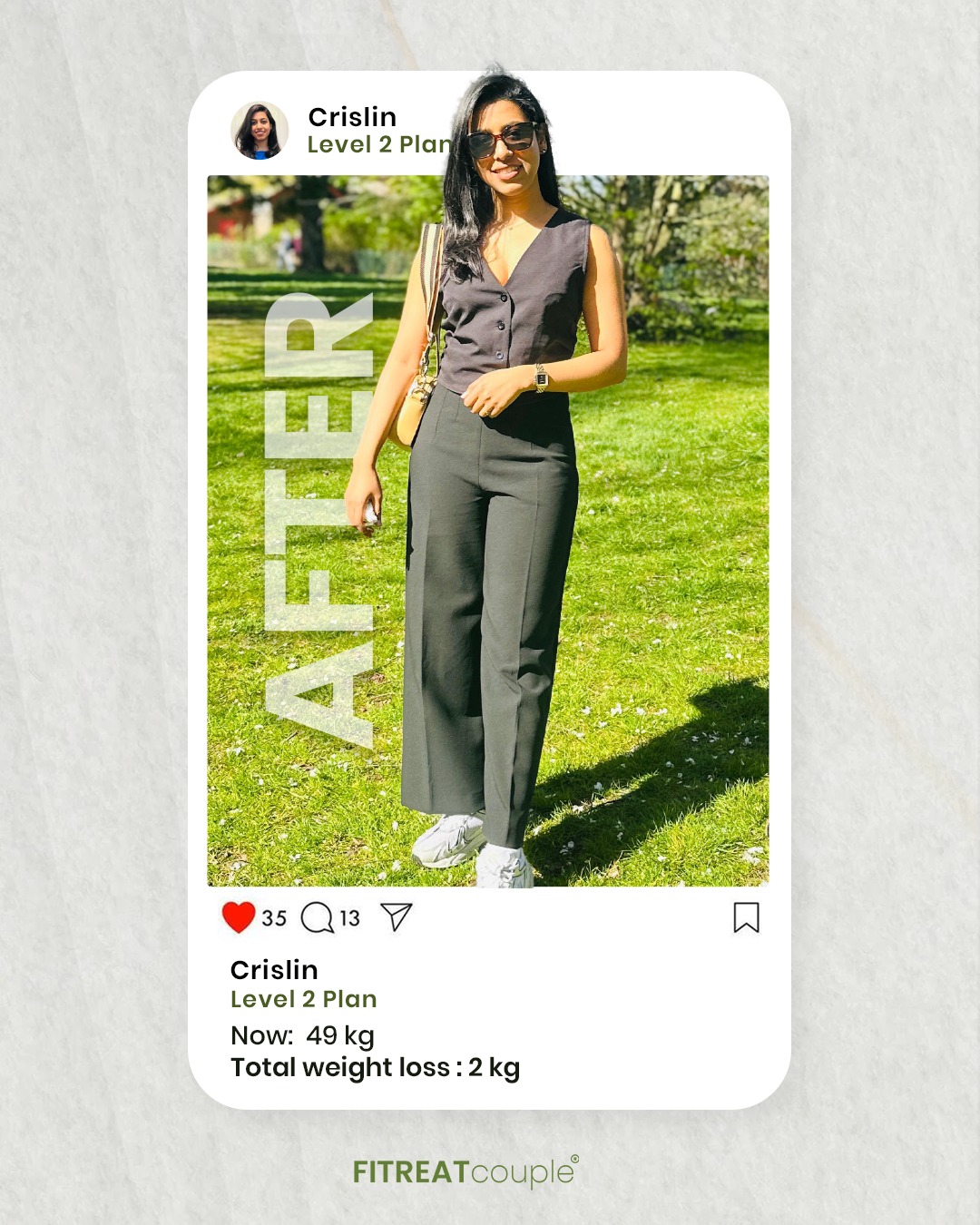
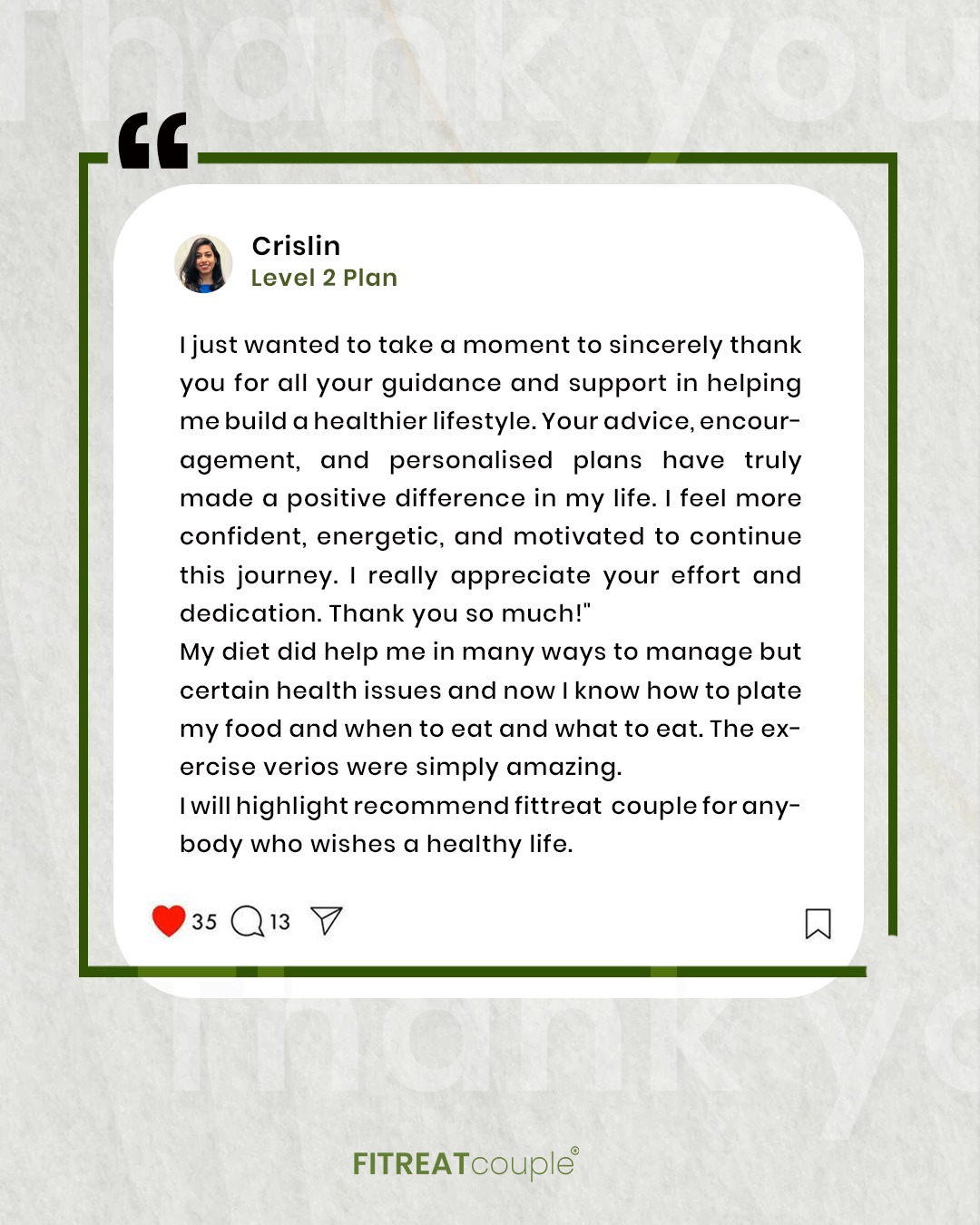
Real Results, Real Stories: How Smart Nutrition Changed Lives
Conclusion: A Sweeter Life Without the Sugar
Reducing your sugar intake isn’t about deprivation—it’s about gaining energy, clarity, and control over your health. By taking small steps, staying mindful, and building healthier habits, you can kick sugar dependency for good. Start today with just one change, and soon you’ll taste the difference—in your food and in your life. For more detailed sugar and diet guidelines, visit Fitreat Couple