
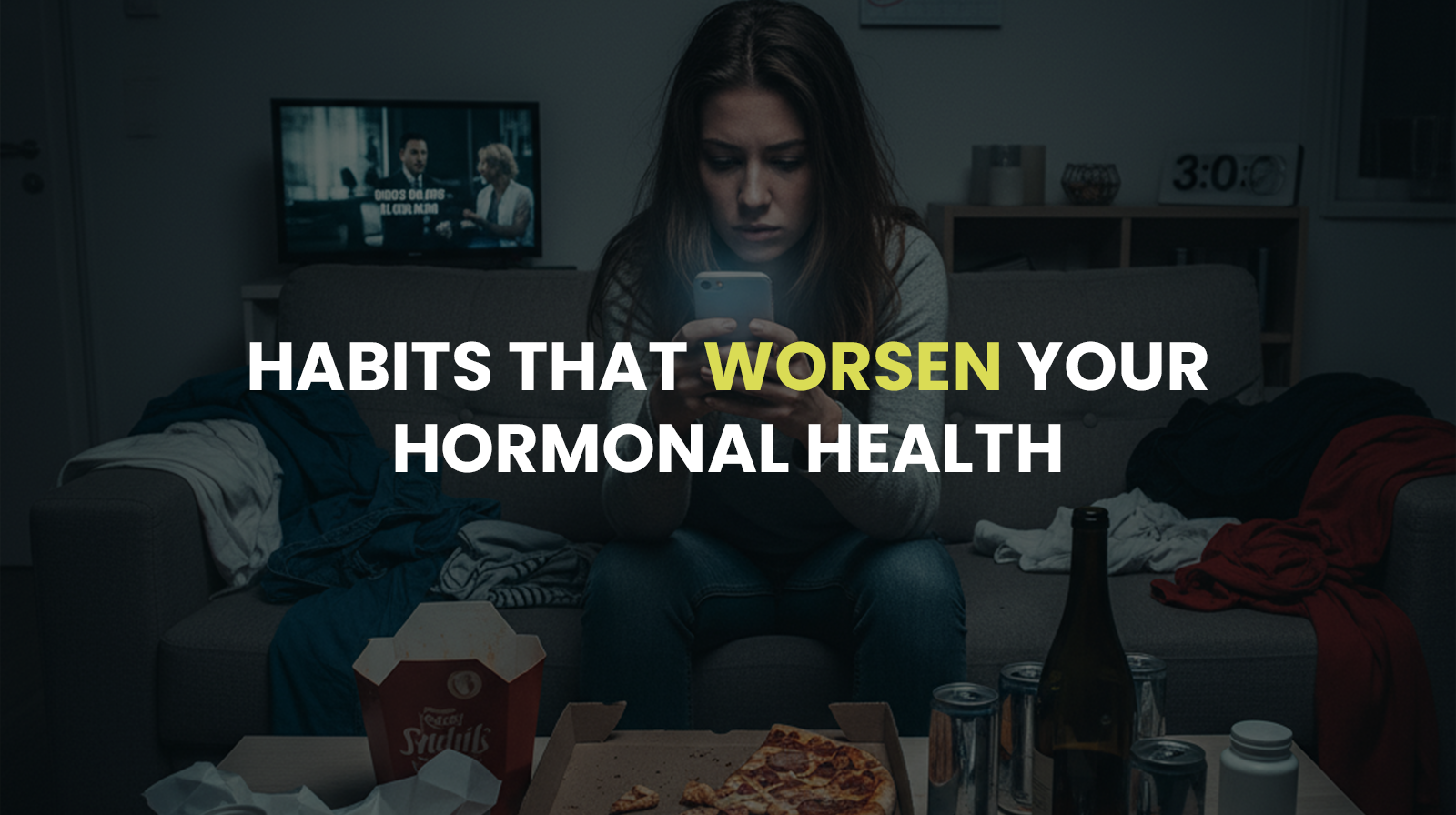

introduction
Are you feeling fatigued, moody, or disturbed most of the time? Have you noticed any unusual weight changes or are you dealing with persistent acne and unwanted hair growth?
Well, If you’ve found yourself growing concerned about these changes happening within your body, it’s high time for a reality check. Yes, let’s talk about your day-to-day habits and lifestyle practices because they could be at the root of it all. The main suspect behind all the above-mentioned symptoms is your hormones. The term suspect doesn’t necessarily mean the hormone itself but the imbalances in your hormone levels.
Hormones: “ A Savior or A Troublemaker”
Hormones are chemical messengers produced by the endocrine glands and released into the bloodstream. It plays a vital role in the overall functions of the body from regulating metabolism and mood to governing growth and reproduction. Considering the pivotal roles they play in your overall health and well-being, hormones are the heroes, aren’t they? Or do they take the roles of villains too?
Undoubtedly, hormones are both the savior and the troublemaker, depending on their delicate balance and their intricate relationship with your body. The imbalance or disruption of their levels can wreak havoc on your body, resulting in a myriad of health issues.
Major symptoms of hormonal imbalance
Hormones are chemical messengers produced by the endocrine glands and released into the bloodstream. It plays a vital role in the overall functions of the body from regulating metabolism and mood to governing growth and reproduction. Considering the pivotal roles they play in your overall health and well-being, hormones are the heroes, aren’t they? Or do they take the roles of villains too?
Undoubtedly, hormones are both the savior and the troublemaker, depending on their delicate balance and their intricate relationship with your body. The imbalance or disruption of their levels can wreak havoc on your body, resulting in a myriad of health issues.
Major symptoms of hormonal imbalance:
Major symptoms of hormonal imbalance:
- Irregular periods or missed cycles
When hormones like estrogen and progesterone fluctuate abnormally, your menstrual cycle becomes unpredictable. Skipping periods or experiencing prolonged cycles may indicate deeper hormonal disruptions such as PCOD or thyroid imbalance.
- Acne or sudden breakouts
Excess androgen levels stimulate oil glands, causing clogged pores and acne, especially around the jawline and chin.
- Hirsutism (unwanted hair growth)
Increased androgen hormones can trigger thick, dark hair growth on areas like the face, chest, or abdomen. This is commonly seen in women with PCOD or insulin resistance.
- Fatigue and low energy levels
When your hormones are off balance, your metabolism and energy regulation slow down. Even after adequate rest, you may feel drained, sluggish, or unable to concentrate.
- Restlessness or anxiety
Hormones like cortisol, thyroid hormones, and estrogen directly influence your mood and mental calmness. An imbalance may cause nervousness, irritability, or difficulty relaxing.
- Low libido
Fluctuations in estrogen, progesterone or cortisol can reduce sexual desire and satisfaction. It’s often linked to stress, fatigue, or poor sleep patterns.
- Increased cravings (especially for sugary foods)
Hormonal imbalances affect insulin and serotonin levels, triggering cravings for sweets or carbs. This leads to energy crashes, mood changes, and weight gain.
- Insomnia or poor sleep quality
Disrupted levels of melatonin and cortisol can interfere with your sleep-wake cycle. Difficulty falling or staying asleep worsens stress and hormonal imbalance further.
- Mood swings and emotional instability
Rapid changes in estrogen and progesterone can impact neurotransmitters like serotonin, affecting mood regulation. This often causes irritability, sadness, or sudden emotional shifts.
Habits that triggers hormonal imbalance:
- Poor Diet: The first and foremost thing is diet. A poor diet with high amounts of processed foods, junk, and sugary food can affect your hormone function. It will not only lead to weight gain but also severely disrupt your hormonal health and may cause PCOS/PCOD/Thyroid/ diabetes and many more like this. So always make sure to eat mindfully with protein and fiber-rich foods in all your meals. Include prebiotic and probiotic foods to improve your gut health.
- Lack of physical activity or doing rigorous workouts: Engaging in regular physical activity is a cornerstone for enhancing both your physical and mental well-being. However, it’s essential to strike the right balance, both a lack of physical activity and overly rigorous workouts can impact your hormonal health. While rigorous intensive workouts can initially seem like a shortcut to achieving your fitness goal, they may induce stress in your body and against your overall health goals.Your body needs time to repair and rejuvenate itself. So proper rest time is mandatory for recovery and performance. Opt for a workout routine that aligns with your goals and body’s requirements.
- Stress:The silent contributor that affects your hormonal health is stress. It triggers cortisol release, the “stress hormone,” that disrupts metabolism, immune function, and other bodily functions. Try to manage your stress levels by engaging in any relaxing activities like meditation, and book reading or you can simply spend time with your loved ones and pets.
- Poor sleep:Poor sleep influences many hormonal functions including growth hormones, and hunger hormones and it also affects insulin sensitivity. Prioritize quality sleep by maintaining a consistent sleep schedule and creating a conducive sleep environment.
- Smoking and excessive alcohol consumption: Smoking interferes with estrogen and progesterone balance, disrupts menstrual regularity, and accelerates reproductive aging in women. Alcohol, on the other hand, affects liver function, the organ responsible for metabolizing hormones. Chronic alcohol consumption leads to estrogen dominance, poor detoxification, sleep disturbances, and mood swings.
Key Takeaways:
Your hormones are a reflection of your lifestyle. Balancing them isn’t about perfection, it’s about making mindful, consistent choices every day.Nourish your body with whole foods, move regularly, sleep deeply, and manage stress. These small yet powerful steps can help your hormones work for you, not against you.

