
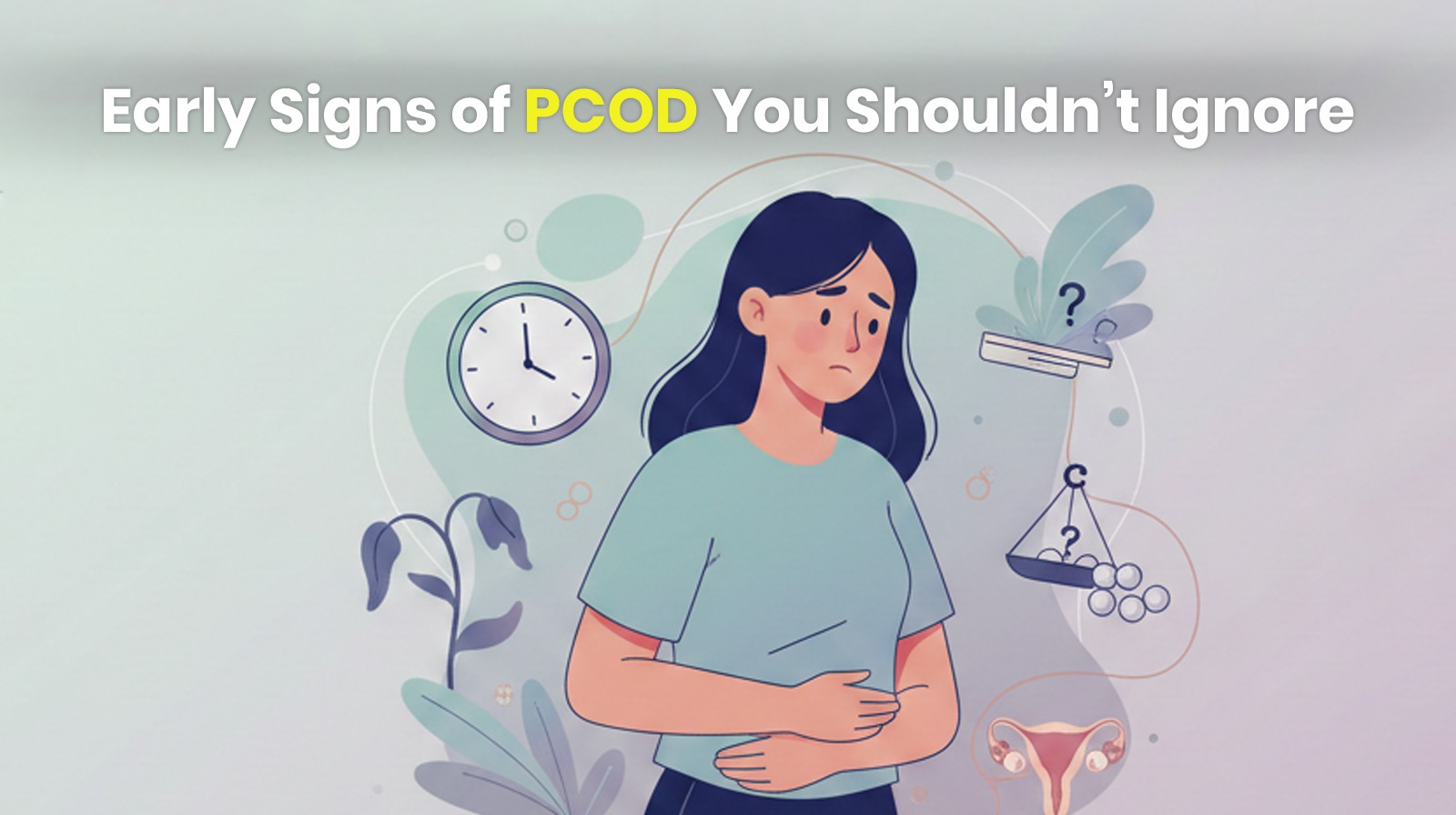
Recent studies show that PCOD affects more women of reproductive age worldwide, making it one of the most common hormonal disorders today. In India, research indicates that the prevalence of PCOD has increased over the past decade due to lifestyle changes, stress, and dietary habits. Early detection is crucial because, if left unmanaged, PCOD can lead to consistent irregular periods, weight gain, fertility issues, and long-term metabolic problems.
Recognizing the early signs of PCOD can help women take timely action, maintain hormonal balance, and prevent complications.
Let's understand about PCOD
Polycystic Ovary Disease (PCOD) is a hormonal condition in which the ovaries develop multiple small immature follicles, often referred to as “cysts.” These follicles fail to mature properly, leading to irregular ovulation and menstrual cycles. While PCOD is generally milder than Polycystic Ovary Syndrome (PCOS), it can still affect fertility, weight management, and metabolic health. Factors such as a sedentary lifestyle, poor diet, obesity, insulin resistance, and genetic predisposition can contribute to its development. Although stress does not directly cause PCOD, it can worsen hormonal imbalance and associated symptoms.
Early Signs Of PCOD
- Irregular Menstrual Cycles
One of the earliest and most common signs of PCOD is irregular periods. Women may experience:
- Menstrual cycles longer than 35 days
- Missed periods or very light bleeding
- Heavier-than-usual bleeding during some cycles
This happens because hormonal imbalance prevents the ovaries from releasing eggs regularly. Over time, this can lead to endometrial thickening and other complications if untreated.
- Unexplained Weight Gain or Difficulty Losing Weight
Many women with PCOD notice weight gain around the abdomen, even if their diet hasn’t changed. Insulin resistance, common in PCOD, makes it harder to lose weight despite healthy eating or exercise.
- Belly fat accumulation is especially typical
- Weight fluctuations can worsen hormonal imbalance, creating a cycle that’s hard to break
- Excess Hair Growth (Hirsutism)
Hormonal changes in PCOD can lead to mild elevation of androgens (male hormones), resulting in:
- Coarse facial hair on chin, upper lip, or jawline
- Extra hair on chest, abdomen, or back
This condition, known as hirsutism, is often one of the first visible signs and can affect self-esteem.
- Acne and Oily Skin
Hormonal imbalance may also trigger persistent acne and oily skin, especially on the:
- Jawline
- Forehead
- Cheeks
Unlike occasional acne, PCOD-related acne may resist typical skincare treatments due to its hormonal origin. Targeting the root cause along with personalized skincare routine will help reduce the acne.
- Hair Thinning or Hair Fall
Women with PCOD often notice thinning of scalp hair, particularly near the crown or hairline.
- Caused by mild androgen excess
- Can lead to diffuse hair fall over time
- Skin Discoloration or Dark Patches
Some women develop dark, velvety patches of skin in areas like the:
- Neck
- Underarms
- Groin
This is known as acanthosis nigricans, often linked to insulin resistance, and can be an early warning sign of PCOD.
- Fatigue and Low Energy
Chronic fatigue is common due to hormonal fluctuations, insulin resistance, and disrupted sleep cycles. Even after adequate rest, many women feel lethargic or low on energy, which can affect daily activities and mood.
They often feel irritable and struggle with unexplained mood swings.Early recognition and management can help improve emotional well-being.
Conclusion:
The good news is that PCOD can be managed effectively with a combination of lifestyle modifications, dietary adjustments and expert guidance.
If you’re facing the above mentioned signs, take immediate action to balance hormones, improve fertility and maintain overall health.
With consistent care, regular check-ups, and healthy habits, PCOD can be managed successfully and women can lead a full, energetic, and balanced life.

