
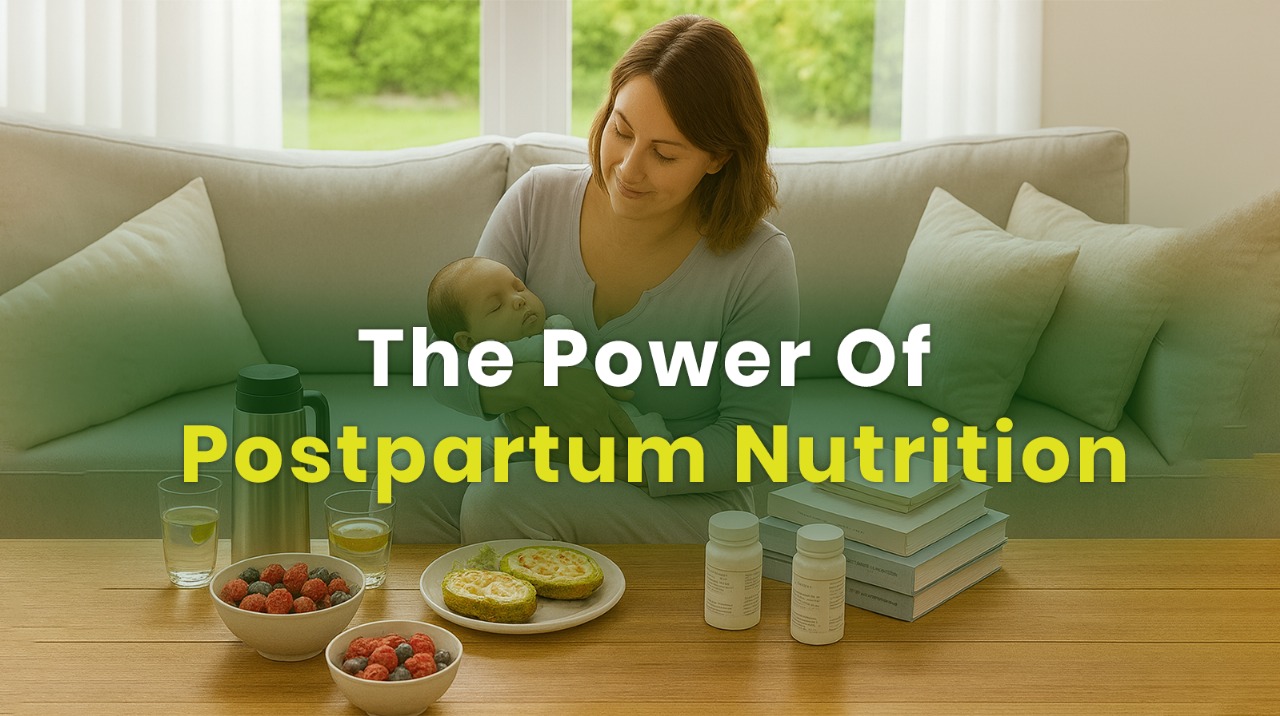
Becoming a mother is one of life’s most powerful transformations. But while welcoming your little one brings immense joy, your body goes through significant physical and emotional shifts along the way.
And once the postpartum phase begins, many moms feel lost, weak, or disconnected from their pre-pregnancy strength.
While everyone’s attention shifts to the baby, your body quietly begins its own journey of healing, rebuilding, and rebalancing.
And the real fuel behind this recovery is postpartum nutrition.
Many moms underestimate how deeply food impacts their strength, mood, milk supply, and overall wellbeing.
But the truth is simple: the way you nourish your body in postpartum shapes how you feel, physically, mentally, and emotionally.
Let’s explore why proper nutrition is undeniable during this phase.
The impact of delivery on women's body
During childbirth, the body experiences:
- Tissue stretching and micro-tears in the uterus, pelvic floor, and vaginal muscles
- Significant blood loss, even in uncomplicated deliveries
- Muscle fatigue and strain, especially in the core, hips, and lower back
- Inflammation and swelling as the body responds to physical stress
- Hormonal shifts, with pregnancy hormones dropping rapidly after birth
- Immune system activation to protect against infection while healing begins
In the case of a C-section, the body also heals from a major abdominal surgery, involving multiple layers of tissue, muscle, and skin repair.
All of this means your body enters postpartum in a repair-and-rebuild mode.
So, whether delivery is vaginal or via C-section, the body undergoes deep internal changes that require time, rest, and most importantly, proper nutrition to heal.
The Role of Nutrition in the Healing Process
Healing doesn’t happen automatically, it requires raw materials.
Nutrition provides those building blocks.
- Protein helps repair tissues and rebuild muscles that were stretched or damaged during delivery. Without enough protein, healing slows down and weakness lingers.
- Iron replaces blood loss and restores oxygen supply to tissues. Low iron is a common reason new moms feel dizzy, breathless, or extremely fatigued.
- Healthy fats support hormone balance and reduce inflammation. They also help the body absorb fat-soluble vitamins needed for recovery
- Vitamins and minerals like vitamin C, zinc, calcium, and magnesium play a critical role in wound healing, immune strengthening, bone and muscle recovery, reducing pain and inflammation
- Fluids support circulation, nutrient transport, and toxin removal essential for faster recovery and milk production.
Food replenishes lost nutrients
Pregnancy, delivery, and breastfeeding drain your nutrient reserves.
Most moms face deficiencies in:
- Iron
- Vitamin B12
- Vitamin D
- Calcium
- Protein
These deficiencies are often the hidden cause of postpartum fatigue, dizziness, hair fall, and low energy.
Postpartum nutrition helps refill your body’s tank and restores your strength from within.
Nourishment supports lactation
What many moms don’t realise is that every feed draws directly from the mother’s own nutrient stores. Your body doesn’t “create” milk out of nothing, it transforms what you eat, drink, and store into nourishment for your baby.
When you nourish yourself well, you’re not just feeding your baby, you’re protecting your own strength too.
Your baby relies entirely on you for:
- Growth
- Immunity
- Brain development
- Early gut health
Nutrient-dense foods help enrich your milk with essential vitamins, minerals, healthy fats, and protective compounds. This supports your baby’s development while giving you the reassurance that your body is providing what your baby truly needs.
Smart Nutrition Supports Healthy Weight Balance
Postpartum weight changes are normal, but dieting too soon can harm recovery.
The right nutrition helps:
- Stabilize metabolism
- Reduce cravings
- Support gradual fat loss
- Build strength naturally
When your body is healed and well-fed, weight loss happens more smoothly.
Conclusion
Postpartum is a phase where your body needs compassion, patience, and nourishment.
Every nutrient you give yourself becomes energy, healing, and strength.
This phase isn’t about “getting your old body back,” but supporting the new one that has done something extraordinary.
Nutrition is not just food, it’s a form of self-care and recovery.
When you nourish well, you heal better, feel stronger, and step into motherhood with more confidence.

